Create Beautiful Coloring Books
Benefits of Coloring Book Printing: A Creative Opportunity for Everyone
Coloring book printing serves as a versatile activity that attracts individuals across different age groups. This engaging pursuit offers notable therapeutic benefits, encouraging relaxation and boosting focus. As individuals explore diverse themes and illustrations, they uncover avenues for creativity and self-expression. The simplicity of this pastime conceals its potential. What specific advantages emerge from this colorful endeavor, and how can one optimize the experience?
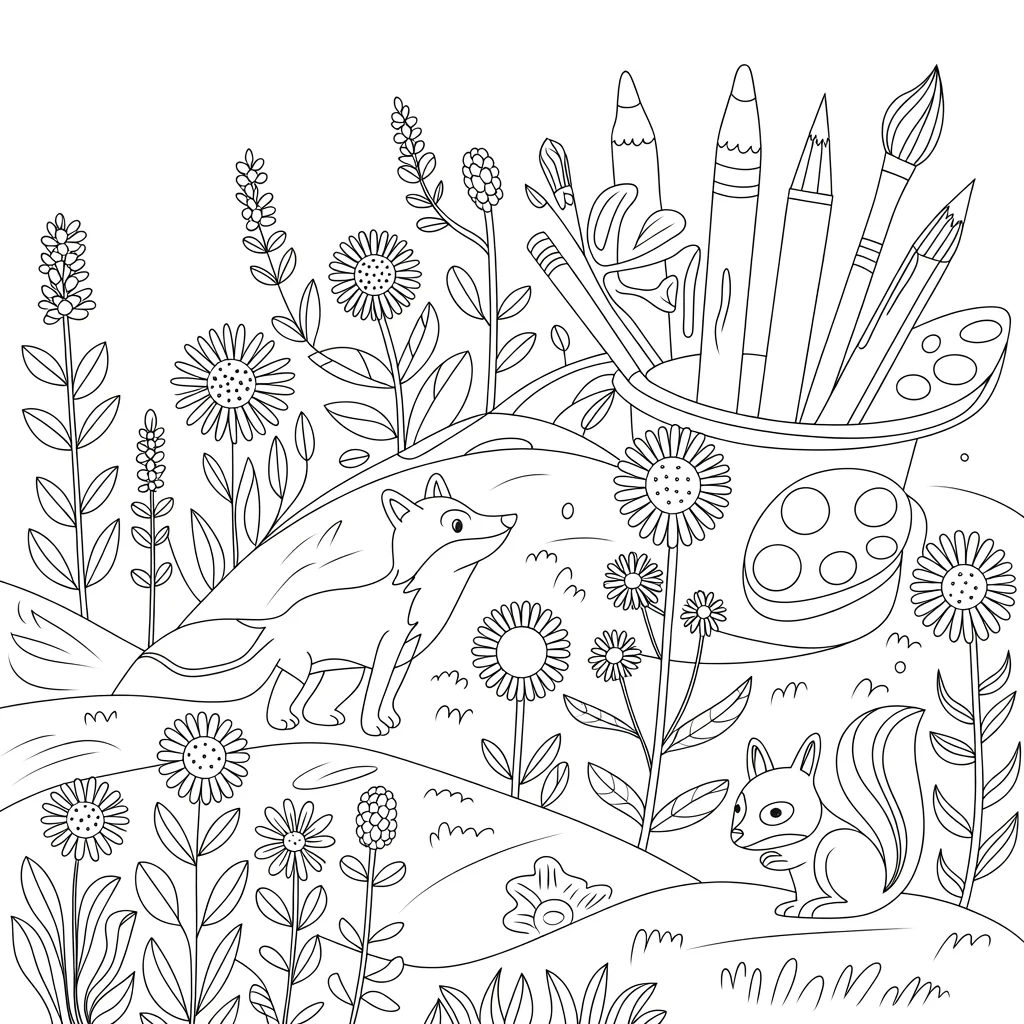
The Healing Advantages of Coloring for All Age Groups
Coloring has emerged as a globally recognized activity that crosses age limitations, delivering therapeutic advantages for people of all backgrounds. Engaging in this simple yet profound task permits individuals to focus their minds and reduce stress. The recurring motions and choice of colors can trigger a meditative state, promoting relaxation and mental clarity. Research demonstrates that coloring can decrease anxiety levels, helping to calm racing thoughts and enhance overall emotional wellness.
For young ones, coloring fosters fine motor skills and hand-eye coordination, while also delivering a safe outlet for self-expression. Adults, on the other hand, often discover solace in creative exploration, using coloring as a respite from daily pressures. Furthermore, the tactile experience of coloring can stimulate sensory engagement, additionally boosting its therapeutic value. In the end, coloring serves as a bridge linking diverse generations, providing a shared experience that promotes mindfulness and emotional health across the lifespan.
How Coloring Enhances Creativity and Self-Expression
Taking part in coloring can kindle creativity and nurture self-expression in people across all ages. This straightforward but meaningful practice enables individuals to discover their creative side without limitations, selecting hues and designs that align with their feelings and ideas. As participants lose themselves in coloring activities, they often enter a state of flow, in which creative notions can blossom without criticism or boundaries.
Coloring works as a bridge between the conscious and subconscious mind, permitting personal stories and feelings to emerge visually. This process can bring about a deeper understanding of oneself, as individuals think about their choices and the meanings behind them. Furthermore, coloring encourages experimentation and risk-taking, critical components of creativity. examination By questioning traditional boundaries of art, coloring becomes not just a pastime but a important avenue for personal expression, ultimately improving lives and nurturing individual creativity.
What Defines a Superior Coloring Book?
While choosing a coloring book, engaging illustrations and themes play a key part in capturing interest. Moreover, the quality of paper stock can substantially affect the overall coloring experience. These factors unite to create a more pleasant and gratifying artistic endeavor.
Eye-Catching Graphics and Themes
Compelling visuals and thoughtfully designed motifs are fundamental aspects that distinguish a great coloring book. A outstanding coloring book captivates the imagination through diverse and intricate designs that promote creativity. Themes can range from nature and fantasy to complex mandalas or cultural motifs, each presenting a unique experience. Illustrations should be easy to start yet engaging, appealing to various skill levels and age groups. The interplay of colors and patterns encourages users to discover their artistic potential while offering a therapeutic outlet. Furthermore, cohesive themes enhance the storytelling aspect, helping users to become absorbed in a narrative while coloring. Overall, a great coloring book balances visual appeal with thematic depth, fostering both enjoyment and relaxation for its audience.
Quality of Paper Stock
An engaging coloring book relies on both innovative illustrations and themes but also on the quality of its paper stock. The ideal paper should be heavy enough to prevent bleed-through from various coloring mediums, for example markers and gel pens. A weight of at least 80 lb. is usually preferred for optimal durability and user experience. Moreover, the texture of the paper plays an essential role; a smooth finish permits seamless application of colors, while a slightly textured surface can enrich the coloring experience by adding depth. Acid-free paper is another important consideration, as it keeps the colors over time without yellowing. Finally, superior paper stock elevates the overall appeal and longevity of the coloring book.
Five Key Tips for an Improved Coloring Experience
Discovering the entire potential of a coloring experience demands more than just grabbing a crayon or marker. To improve pleasure and creativity, individuals can apply several effective strategies. First, selecting the right tools is vital; superior colored pencils or markers can dramatically impact the final result. Second, establishing a comfortable and well-lit workspace cultivates focus and decreases distractions.
Third, trying out various coloring techniques, such as shading or blending, can introduce depth and dimension to the artwork. Fourth, allocating specific time for coloring promotes relaxation and mindfulness, turning the activity into a soothing ritual. Finally, welcoming imperfections provides creative freedom, teaching individuals that the journey of coloring is as valuable as the finished piece. By incorporating these tips, anyone can elevate their coloring experience, making it a truly fulfilling activity.
How Coloring Enhances Fine Motor Skills
Coloring exercises not only deliver relaxation and creative expression but also are instrumental in developing fine motor skills. Participating in coloring requires the use of various hand movements, which helps strengthen the small muscles in the hands and fingers. As users hold colored pencils, crayons, or markers, they practice grip control, fostering dexterity and coordination. This activity requires precise movements to remain within the lines, improving hand-eye coordination and spatial awareness.
Furthermore, picking colors and shading techniques stimulates decision-making and promotes focus, contributing to cognitive development. For small children, these skills are foundational as they get ready for tasks like writing and typing. Adults can also benefit, as coloring can support preserving dexterity and hand strength. On the whole, coloring acts as a beneficial and fun method for developing fine motor skills across all age groups, making it a versatile tool in both educational and therapeutic settings.
Popular Coloring Methods to Test Out
Within the world of coloring, several techniques can enhance both experience and result. Skillful color blending creates smooth transitions and depth, while employing textured techniques can add unique dimensions to artwork. These methods not only elevate creativity but also inspire experimentation with different artistic styles.
Mixing Colors Expertly
The effective blending of colors transforms a simple design into a vibrant masterpiece. This technique enhances depth and dimension within a coloring project, attracting the viewer's eye. A popular method involves using colored pencils, where artists layer shades gradually, applying light pressure to create smooth transitions. Starting with a base color, one can gently add darker hues at the edges, then use a blending tool or tissue to merge the colors seamlessly. Watercolor paints also allow for fluid blending, as wet pigments can be easily mixed on paper. Experimenting with complementary and analogous colors further enhances the visual impact. In the end, mastering color blending not only improves artwork but also provides a satisfying creative experience for individuals of all ages.
Exploring Textured Methods
Investigating textured approaches can enhance a coloring project by incorporating depth and interest. Artists commonly use diverse methods to create unique effects. One favored technique is stippling, where small dots of color are applied to create depth. Another method is cross-hatching, which involves layering lines in different directions to add texture. For those using colored pencils, blending various shades while varying pressure can produce a soft gradient effect. Additionally, incorporating mixed media—such as pastels or watercolors—can introduce additional textures and vibrancy. Experimenting with these techniques permits individuals to personalize their artwork, making each piece a reflection of their creativity. Adopting these textured approaches can transform simple coloring into an engaging artistic experience for all ages.
FAQ
How Do I Choose the Right Coloring Tools?
To choose the right coloring tools, one should consider the material's quality, intended use, and individual taste. Experimenting with multiple alternatives like colored pencils, markers, or watercolors can elevate the complete coloring experience and results.
Can You Personalize Coloring Books When Giving Them as Gifts?
Indeed, coloring books can be personalized for gifts. Customization options include adding names, custom illustrations, or themed content, rendering them thoughtful presents that cater to individual preferences and interests, elevating the overall gifting experience.
Which Age Groups Gain the Most Benefits From Coloring?
Coloring activities provide benefits for both children and adults. Younger kids improve fine motor skills while fostering creativity, while teenagers and adults experience stress reduction and present-moment awareness through complex artwork, making coloring an adaptable pursuit for all ages.
Can You Find Eco-Friendly Options for Coloring Book Printing?
Green alternatives for coloring book printing are indeed available. Several printing services employ sustainable practices, recycled paper, and soy-based inks, meeting the needs of environmentally conscious consumers while offering high-quality, vibrant coloring materials perfect for users of all ages.
What Are Some Ways to Organize My Finished Coloring Pages?
To organize completed coloring pages, consider using a binder with plastic sleeves, arrange by theme or color, or create a digital portfolio by scanning and storing the artwork on a computer or cloud service.